Marketing
· 04 min read

How Is Hybrid Work Changing the Traditional Workplace?

Key Takeaways
  • Hybrid work shifts the standard for productivity from time spent in the office to measurable output and results.
  • Communication is becoming digital-first — async updates and documentation are replacing hallway conversations and default meetings.
  • Offices are shifting from default workspaces into hubs for collaboration, workshops, and team building.
  • Hybrid meetings now require dedicated technology — video, audio, and all-in-one devices — to keep remote participants fully included.
  • Businesses that adapt successfully treat hybrid work as a full system shift, not a policy tweak: tools, workflows, and management style all change together.

Hybrid work is reshaping the traditional workplace by shifting how teams communicate, collaborate, and measure productivity. Instead of relying on physical presence, companies now focus more on flexibility, digital workflows, and outcome-based performance.

The Shift from Presence to Performance

Traditional workplaces measured productivity by time spent in the office. Hybrid work changes this by focusing on output instead of attendance.

  • Employees are evaluated based on results, not hours
  • Flexible schedules are becoming standard
  • Remote work is no longer seen as less productive

Productivity is now tied to outcomes, not visibility.

Communication Becomes Digital-First

In a hybrid setup, not everyone is in the same place at the same time. This forces teams to rely more on structured, digital communication.

  • Meetings happen via platforms like Zoom or Microsoft Teams
  • Updates are shared through chat tools and documentation
  • Async communication becomes more common

If information isn’t documented, it gets lost.

Offices Are Becoming Collaboration Hubs

The role of the office is changing. Instead of being the default workplace, it’s now used for:

  • Team collaboration and brainstorming
  • Workshops and planning sessions
  • Social interaction and team building

Routine tasks are done remotely, while office time is used for high-value interaction.

Rise of Hybrid Meeting Technology

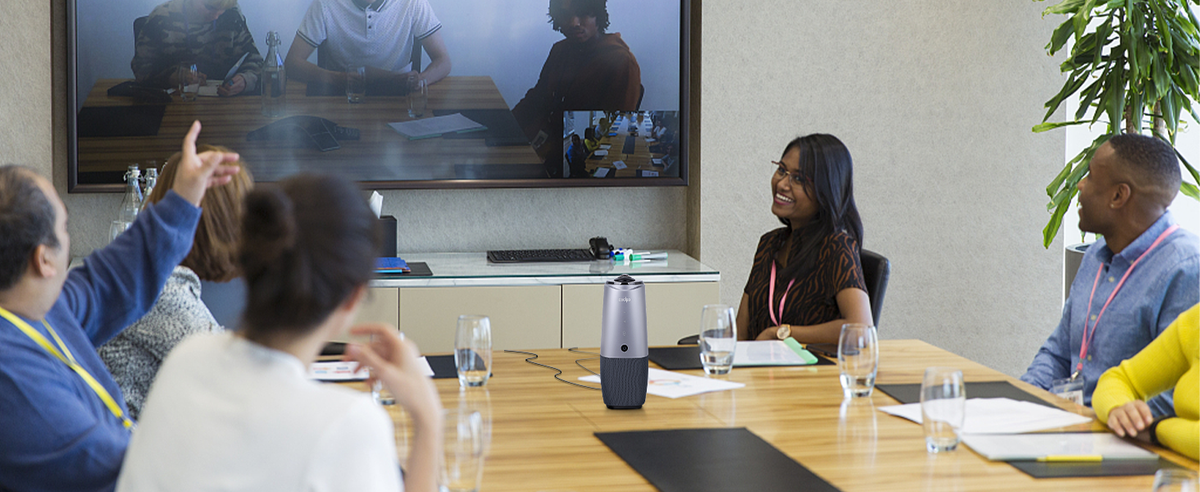
One of the biggest changes is how meetings are conducted. Hybrid meetings require better tools to ensure equal participation.

  • Increased use of video conferencing tools
  • Growing demand for high-quality audio and video setups
  • Adoption of all-in-one solutions like Coolpo AI Huddle PANA

The focus is on making remote participants feel just as included as those in the room.

More Flexibility, But More Structure

Hybrid work gives employees flexibility—but it also requires clearer systems.

  • Defined communication channels
  • Clear expectations on availability
  • Structured workflows and processes

Without structure, flexibility can quickly turn into confusion.

Changing Management Styles

Managers can no longer rely on direct supervision. Hybrid work pushes leaders to:

  • Focus on outcomes instead of activity
  • Build trust within distributed teams
  • Use data and regular check-ins instead of micromanaging

Leadership becomes more about guidance than control.

Work-Life Boundaries Are Redefined

Hybrid work blends personal and professional environments, which can be both beneficial and challenging.

  • More control over schedules
  • Reduced commuting time
  • Risk of overworking without clear boundaries

Teams need clear expectations to avoid burnout.

What This Means for Businesses

To adapt to hybrid work, companies need to:

  1. Invest in the right tools and infrastructure
  2. Redesign workflows for flexibility
  3. Create inclusive meeting experiences
  4. Train managers for hybrid leadership

Hybrid work isn’t just a policy, it’s a complete system shift.

Conclusion

Hybrid work is not just changing where people work—it's changing how work happens. Companies that adapt by improving communication, upgrading tools, and designing better workflows will see stronger collaboration and productivity in the long run.

Frequently Asked Questions

1. How is hybrid work different from traditional office work?

Traditional workplaces measured productivity by time spent in the office. Hybrid work shifts the focus to output and results instead of attendance, paired with more structured digital communication since teams aren't in the same place at the same time.

2. What role do offices play now that work is hybrid?

Offices are no longer the default workplace — they've become collaboration hubs used for brainstorming, workshops, and team building, while routine tasks happen remotely.

3. What technology do companies need for hybrid meetings?

Hybrid meetings need video conferencing tools plus high-quality audio and video setups to keep remote participants as included as people in the room — which is driving adoption of all-in-one devices like the Coolpo AI Huddle PANA.

4. How should managers adapt their leadership style for hybrid teams?

Hybrid work pushes managers away from direct supervision and toward outcome-based leadership — building trust with distributed teams and using data and regular check-ins instead of micromanaging.

Better meetings start with better gear
See how Coolpo AI conferencing keeps remote and in-room teams perfectly clear.
Book a free demo