
Return to Office 2.0: Remote Work Is Evolving, But So Are the Distractions
Hybrid work is now standard, with most office mandates landing around three days a week in 2026. But the return to shared spaces has revived an old enemy: noise and distraction. Open offices drive higher stress and dissatisfaction, and a single interruption can cost 20+ minutes of lost focus. The fix isn't fewer meetings — it's better acoustic and AI-powered meeting tools that keep collaboration clear.
The return-to-office conversation is back — but this time, it looks different. Across industries, companies are asking employees to spend more time in physical offices. Some want a full five-day return, while others are experimenting with hybrid setups: two or three days on-site, the rest remote.
The goal is clear. Leaders believe that working together in person will boost productivity, spark collaboration, and deepen employee engagement. In many ways, they’re right. Face-to-face conversations often lead to faster decisions, stronger connections, and more creative brainstorming.
But there’s another side to this story that doesn’t always make the headlines: noise.
Hybrid Work Is the New Normal
First things first, remote work isn’t “over.” It has evolved. What we’re seeing now is the rise of hybrid work as the new standard. According to a recent Gallup survey, 51% of U.S. Employees with remote-capable roles are working hybrid, compared to just 21% working fully on-site.
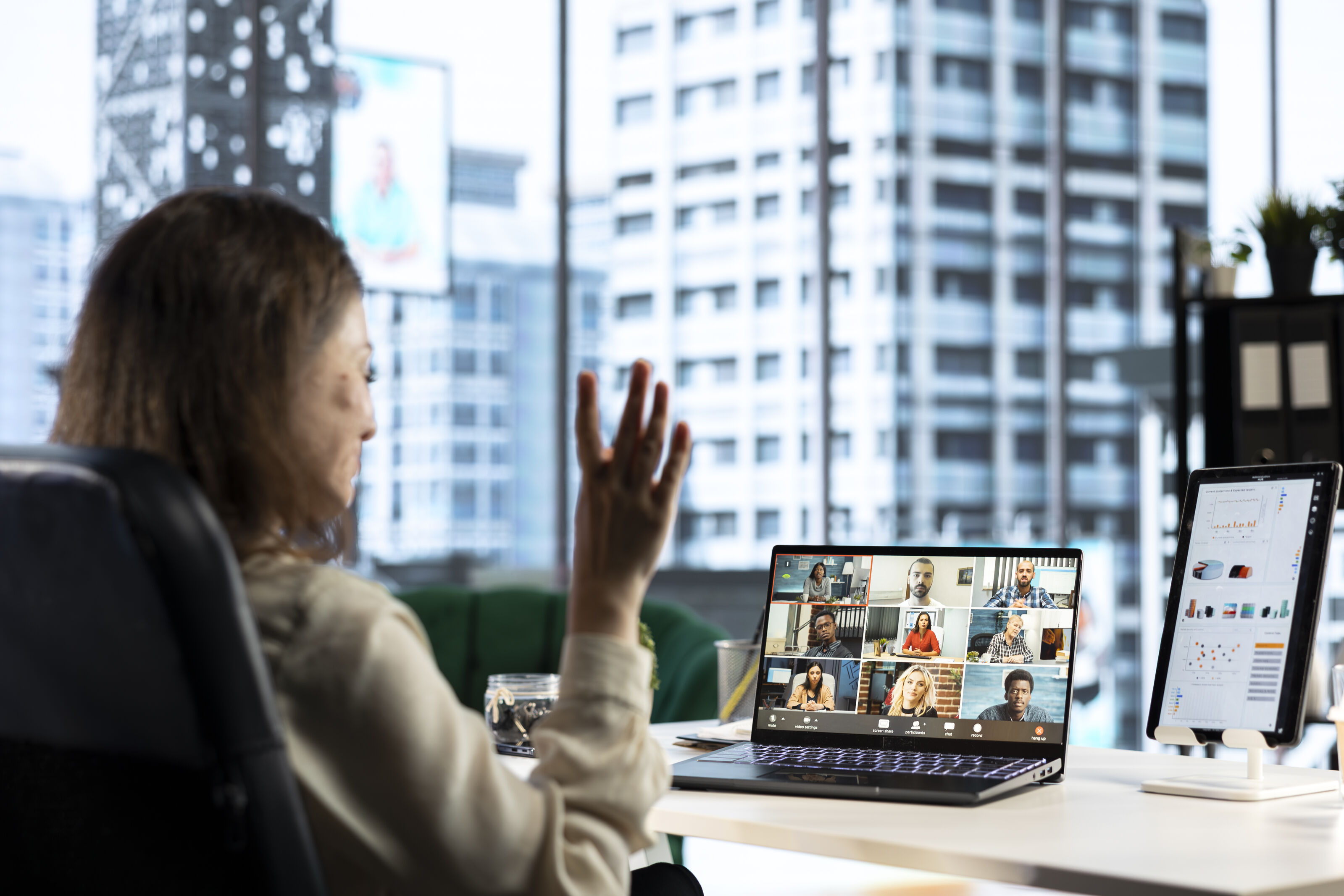
This balance reflects the reality that both employees and companies see value in flexibility. Workers appreciate the freedom to skip long commutes and manage their time, while organizations benefit from in-person collaboration that remote-only setups sometimes can’t match.
The problem? Offices weren’t exactly redesigned for this new wave of hybrid schedules.
Return to Office 2.0 Explained
Return to Office 2.0 isn’t just about where we work — it’s about how. Unlike the first return-to-office push, this version blends office days with remote flexibility.
Watch this quick breakdown of what makes Return to Office 2.0 different and why it matters.
The Stress Factor: When Noise Threatens High-Stakes Meetings
This is where things get serious: noise doesn’t just affect you, it reaches the other person on the call, and in high-stakes conversations, that can be costly.
Imagine this scenario: you’re pitching to a potential client, updating leadership, or hashing out terms with a key partner. Every word counts. But instead of hearing your expertise, they catch snatches of nearby chatter, laughter, or background meetings. It’s not just distracting it can derail the whole interaction.
Open Offices vs. Private Rooms: The Noise Gap
A survey led by Annu Haapakangas revealed a striking difference in how employees perceive noise in different work environments. Half of open office workers (50%) reported being dissatisfied with noise levels, compared to only 20% of those in private rooms.
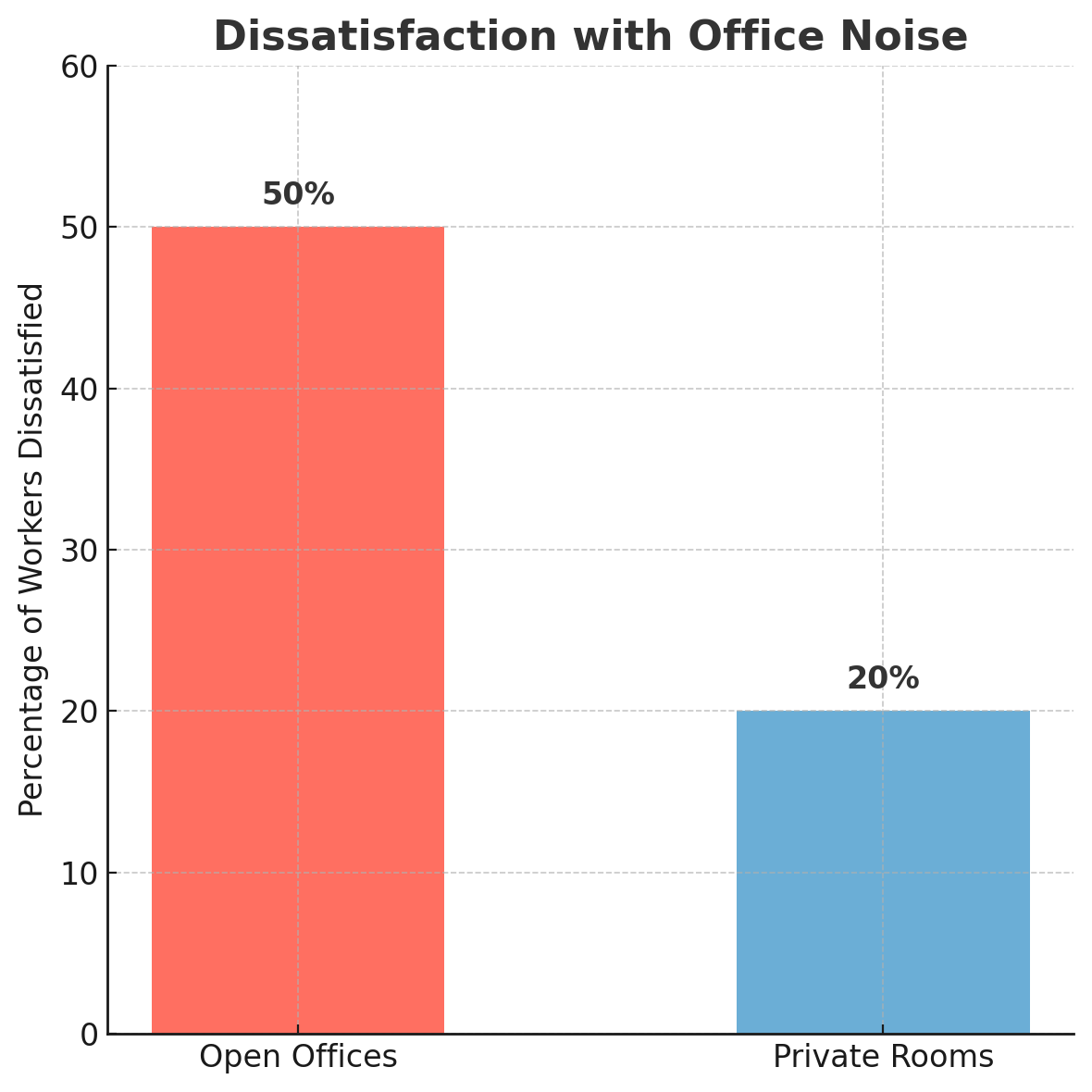
This data highlights one of the biggest trade-offs of open office layouts. While they promote collaboration, they also introduce significant distractions losing an average of 21.5 minutes per day that hurt focus and overall satisfaction due to conversational distractions.
Noise Triggers Stress Faster Than You Think
In simulated open-plan office settings, common noises like ringing phones, keyboard clicks, and background chatter were shown to cause physiological stress responses such as elevated heart rate and sweating.

Even more concerning, researchers found that exposure to these sounds led to a 25% increase in negative mood in just eight minutes. (World Economic Forum) Together, these findings underscore a harsh truth: noise isn’t a minor annoyance, it’s a serious threat to clarity, credibility, and client (or partner) perception.
The Real Costs of Noise in Meetings
- Embarrassment — Your credibility takes a hit when others hear office chatter overshadowing your message.
- Miscommunication — Background noise can cause key details to be missed, leading to misunderstandings or errors.
- Strategic Risk — In high-stakes discussions, even small missteps can derail deals, delay decisions, or strain relationships.
When the stakes are high, you simply can’t afford distractions that compromise how you’re heard.
Why Distractions Undercut Collaboration
It’s ironic. Companies bring people together to increase collaboration, but open office noise often has the opposite effect. Instead of boosting communication, it can:
- Derail conversations by making it harder to hear or concentrate.
- Cause frustration when interruptions pile up and focus disappears.
- Hurt engagement by making meetings feel more exhausting than productive.
Its suggests that after being interrupted, it takes over 23 minutes to regain focus. That means one small distraction can ripple through an entire afternoon.
In other words: when distractions rise, the very goals of Return to Office 2.0 ; productivity, engagement, collaboration take a hit.
What This Means for Companies and Workers
Hybrid work isn’t going away, but it also isn’t perfect. For organizations, the challenge now is to create environments where collaboration can thrive without sacrificing focus. That means addressing noise and distraction in smarter ways, whether through office design, flexible scheduling, or better technology.
For employees, it’s about learning to navigate this new normal. Hybrid schedules give you the best of both worlds; in-person collaboration and remote flexibility, but they also require tools and strategies to manage the downsides of noisy, distraction-prone office spaces.
The Road Ahead (and a Hint of What’s Next)
Return to Office 2.0 is less about going back to the old ways and more about finding a balance that works today. Hybrid models allow for flexibility, but they also come with new challenges that need to be solved.
Noise and distraction may feel like small obstacles, but they can make or break productivity, collaboration, and even professional credibility.
The good news? These challenges aren’t permanent. With the right tools, you can cut through the noise, reclaim clarity, and reduce the stress that comes with distraction-filled offices. The right setup can transform hybrid work from a daily struggle into a smoother, more productive experience.
Cut through distractions and stay clear in every meeting,
Get the right tools for hybrid work.
1. Is everyone returning to the office in 2026?
Not fully. Most remote-capable employees are hybrid, with required in-office time averaging about three days a week in 2026, though some companies (e.g., TikTok, Instagram) mandate five.
2. How does office noise affect productivity?
Open-office noise increases stress and dissatisfaction and triggers measurable mood drops within minutes. After an interruption it can take 20+ minutes to fully refocus — a hidden but significant cost.
3. What's the biggest distraction in hybrid offices?
Background conversations and ambient noise top the list, especially during video calls where they undermine clarity and credibility.
4. How can companies reduce meeting distractions?
Combine quiet-room design with the right tools — noise-canceling audio and AI cameras (like Coolpo's) that isolate voices and keep remote participants fully engaged.
Recent blogs


.webp)

Reliable
Innovation
Touch


