
What Is the Difference Between Meetings and Conferences?
The main difference between meetings and conferences is their purpose, size, structure, and level of formality. Meetings are usually smaller gatherings focused on discussion, coordination, decision-making, or project updates, while conferences are larger and more structured events designed for presentations, networking, knowledge sharing, and industry collaboration.
In simple terms, all conferences are technically meetings because they involve people gathering together, but not all meetings are conferences since conferences are usually larger, more formal, and designed for broader audiences and objectives.
Below, we will break down the key differences between these communication formats and how each supports different collaboration and organizational needs.
What Are Meetings?
Meetings are smaller structured discussions designed for communication, coordination, problem-solving, or decision-making within teams or organizations.
Common uses include:
- Team updates
- Project discussions
- Client communication
- Strategic planning
- Internal collaboration
Most meetings are shorter, more interactive, and focused on specific tasks or decisions.
What Are Conferences?
Conferences are larger organized events that bring together multiple participants, departments, organizations, or industry professionals around broader topics or objectives.
Conferences are commonly used for:
- Industry presentations
- Professional networking
- Public discussions
- Training sessions
- Large-scale collaboration
Unlike standard meetings, conferences often include keynote speakers, scheduled sessions, presentations, and larger audiences.
Main Differences Between Meetings and Conferences
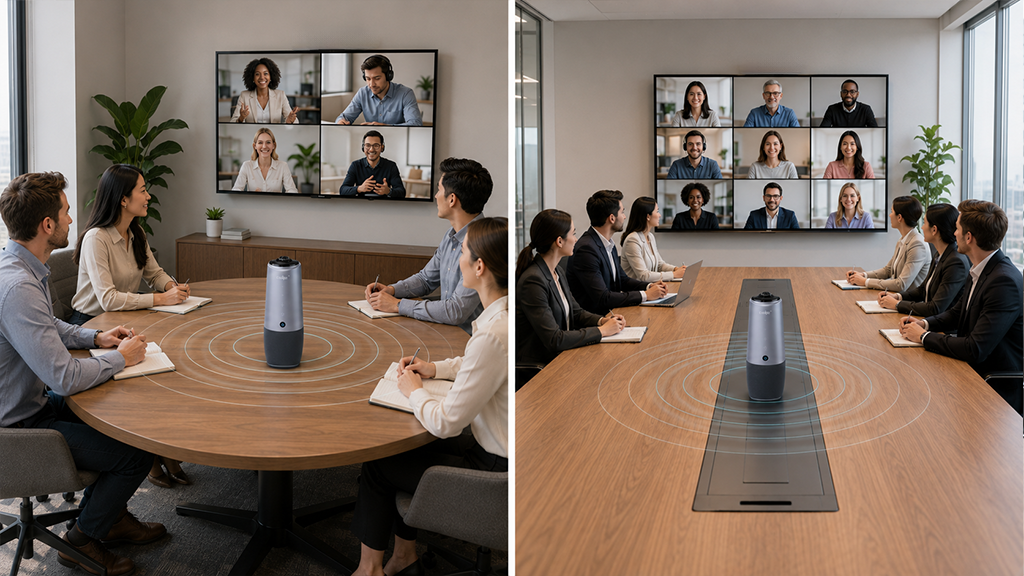
1. Purpose and Objectives
Meetings are usually focused on:
- Decision-making
- Problem-solving
- Task coordination
- Team communication
Conferences are generally focused on:
- Knowledge sharing
- Industry insights
- Networking opportunities
- Presentations and public discussions
Meetings are often action-oriented, while conferences are more educational, informational, or collaborative on a broader scale.
2. Size and Number of Participants
One of the biggest differences between the two formats is the number of participants involved.
Meetings usually involve:
- Smaller groups
- Internal teams or selected participants
- More direct interaction and collaboration
Conferences typically involve:
- Larger audiences
- Multiple organizations or departments
- Public or industry participation
Meetings focus more on direct communication, while conferences are designed for larger-scale engagement and information sharing.
3. Duration
Meetings are usually shorter sessions lasting from a few minutes to a few hours and are often scheduled regularly for updates or coordination. Conferences, on the other hand, may last an entire day or multiple days and often include multiple sessions, speakers, workshops, or presentations. This difference affects both preparation requirements and event complexity.
4. Formality and Structure
Meetings can be formal or informal depending on the organization and purpose. They often use flexible agendas and smaller room setups that allow direct interaction between participants.
Conferences are generally more formal and highly structured. They usually involve detailed schedules, keynote speakers, breakout sessions, organized logistics, and larger event venues.
Because of this, conferences often require significantly more planning and technical coordination.
5. Agenda and Content
Meetings are usually discussion-driven and focused on specific internal topics, updates, or decisions.
Conferences often cover broader themes through:
- Presentations
- Keynote sessions
- Panel discussions
- Educational content
- Industry-focused topics
These events are typically designed for learning, networking, and large-scale communication.
6. Technology and Room Setup
Modern workplaces increasingly rely on collaboration technology for both small meetings and large conferences.
Meetings commonly use:
- Video conferencing platforms
- Small conference room systems
- Shared displays and microphones
- Conferences often require:
- Professional AV systems
- Large presentation displays
- Multi-camera production setups
- Live streaming or hybrid event support
For hybrid collaboration, systems like the Coolpo AI Huddle PANA help improve communication with integrated 360° video, microphones, speakers, and AI-powered speaker tracking.
Conclusion
Meetings and conferences serve different but equally important roles in communication and collaboration. Meetings are typically smaller and more interactive, focusing on coordination and decision-making, while conferences are larger, more structured events designed for presentations, networking, and broader knowledge sharing. Understanding these differences helps organizations choose the right format for more effective communication, collaboration, and event planning.
Recent blogs



Should I rent or buy video conferencing equipment for my team meeting?

.jpg)
Reliable
Innovation
Touch


