
Where Hybrid Work Stands in 2025 And How It Will Evolve in 2026
2025 has been a defining year for the modern workplace, with hybrid work models becoming a mainstream norm rather than an experimental approach. Companies and employees are navigating a delicate tug of war between flexibility and productivity, balancing the desire for remote autonomy with the need for in-person collaboration.
As organizations evaluate their strategies, understanding the state of Hybrid Work 2025 provides critical insight into what makes a hybrid model successful. From productivity gains to employee satisfaction, the year’s data highlights both the challenges and employment advantages of adopting a hybrid work environment. Looking at this year’s data, it’s clear that flexibility, technology, and thoughtful management are already reshaping workplaces, and these trends are expected to continue into 2026.
In this blog, we’ll take a deep dive into Hybrid Work 2025 and explore hybrid work 2026 predictions, helping both organizations and employees understand what to expect in the coming year.
Hybrid Work 2025: Key Statistics and Trends
Adoption and Popularity
.png)
Hybrid work has firmly established itself in 2025, with a significant portion of employees now operating in flexible arrangements. Recent reports indicate that approximately 29–45% of employees in remote-capable roles work in hybrid models, reflecting broad acceptance across industries.
Industries such as IT, HR, and legal have seen the highest adoption rates, while sectors requiring physical presence—like manufacturing, transportation, and food services—remain largely onsite. Despite these variations, the majority of employees prefer hybrid setups, with surveys showing six out of ten workers favoring hybrid environments and only a small fraction preferring fully onsite roles.
These numbers demonstrate that what is a hybrid job today is no longer experimental; it’s a strategic approach to balance productivity with employee flexibility. Organizations offering flexible work options are gaining a clear employment advantage, attracting and retaining top talent in a competitive labor market.
Productivity and Work-Life Balance
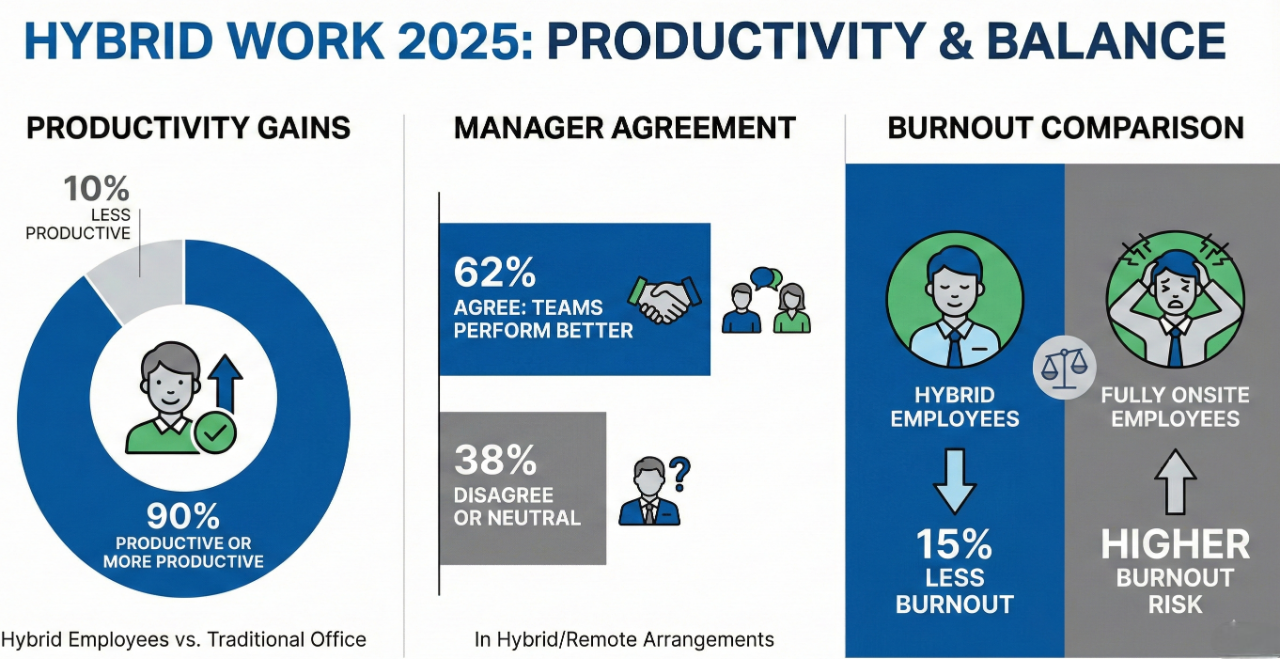
Hybrid work continues to deliver measurable benefits. Data from 2025 shows that:
- 90% of hybrid employees report being productive or more productive than in traditional office settings.
- Managers also recognize these gains, with 62% agreeing their teams perform better in hybrid or remote arrangements.
- Employees in hybrid roles experience 15% less burnout compared to fully onsite colleagues, with many citing improved work-life balance as a primary benefit.
These insights confirm that a well-designed hybrid work environment not only boosts employee satisfaction but also drives organizational outcomes, giving companies an employment advantage when structured thoughtfully.
Technology and Collaboration Tools
The effectiveness of hybrid work in 2025 is closely tied to technology. Organizations are increasingly leveraging:
- AI-driven collaboration tools for meetings, scheduling, and productivity tracking.
- Virtual office setups and real-time communication platforms to bridge the gap between remote and in-person teams.
- Tools for automated meeting summaries, predictive scheduling, and enhanced remote participation to reduce friction in hybrid interactions.
Employees report that these investments in technology are crucial for sustaining productivity, collaboration, and engagement across hybrid teams, highlighting the growing intersection of tech and workplace design.
Challenges and Considerations
.jpg)
While hybrid work offers clear advantages, the tug of war between employee flexibility and employer oversight persists.
In 2025, many hybrid roles follow a structured approach, with employees typically working two to three days in-office and the rest remotely. This schedule gives employees a sense of autonomy while maintaining collaboration, but it also creates friction for those who prefer fully flexible arrangements or for employers who want more in-person oversight.
Looking ahead to 2026, experts predict that hybrid schedules will become even more varied and personalized, with some organizations offering flexible “core hours” or fully remote options for certain roles, while others may increase in-office requirements to boost collaboration. This evolving landscape intensifies the tug of war, as employees seek maximum flexibility and employers strive for productivity and team cohesion.
Organizations must navigate:
- Maintaining engagement and culture across distributed teams.
- Ensuring equity for employees with differing access to home office setups and technology.
- Balancing productivity metrics with employee autonomy.
Despite these challenges, hybrid work in 2025 is moving from a reactive, pandemic-era model to a strategically implemented, data-driven approach, setting the stage for what’s to come in 2026.
Industry Spotlight: Who’s Leading the Hybrid Work Revolution in 2025
Hybrid work adoption varies widely across industries, reflecting the unique needs of different roles and organizational structures. Understanding these patterns can help companies anticipate challenges and leverage employment advantages.
Leading the Pack: High Adoption Industries
Industries with knowledge-based roles, such as IT, HR, legal, and professional services, have embraced hybrid work the most. Surveys from 2025 show:
- IT and tech roles: employees work in hybrid arrangements, benefiting from both remote autonomy and in-office collaboration for complex projects.
- HR and legal sectors: High hybrid adoption due to flexible workflows and the ability to perform most tasks remotely.
These sectors gain a clear employment advantage by offering attractive work arrangements that improve retention and recruitment. Companies in these industries also report higher employee engagement and productivity when hybrid models are implemented thoughtfully.
Striking a Balance: Moderate Adoption Sectors
Roles in sales, marketing, and management are increasingly hybrid, but adoption depends on client-facing needs and in-person collaboration requirements. In 2025:
- Management and professional services: ~38% of employees work hybrid.
- Sales and office work: ~25% hybrid adoption
Here, hybrid work often combines flexibility with structured schedules to maintain performance standards, creating a balance between employee satisfaction and organizational efficiency.
Staying Grounded: Low Adoption Sectors
Industries that require physical presence—such as manufacturing, construction, transportation, and food services—remain largely onsite. Key stats from 2025:
- Less than 18.2% of federal government employees worked remotely in 2025, down from 31.3% in 2024.
- Jobs requiring physical labor, like maintenance or natural resources work, had just 3.2% telework rates
Lessons Learned: Insights Across Industries
Across all sectors, the 2025 data shows that hybrid work success depends on a balance of flexibility, clear expectations, and technology. High-adoption industries demonstrate the employment advantages of well-structured hybrid policies, including increased productivity, engagement, and talent retention. Moderate-adoption sectors benefit from combining flexibility with structured schedules and collaborative tools, while low-adoption industries must find alternative ways to support employee satisfaction, such as offering flexible hours, wellness programs, or tech-enabled collaboration wherever possible.
Hybrid Work 2026 Predictions: What the Future Holds
As we look ahead to 2026, hybrid work is expected to evolve from a structured solution into a more personalized and strategic approach, reflecting lessons learned in 2025. Organizations and employees are preparing for a year where flexibility, technology, and talent management become even more critical.
1. Evolving Employee Preferences
Surveys indicate that employees will continue to demand flexibility, but with more nuanced expectations. While hybrid work in 2025 commonly meant two to three days in the office, in 2026 we anticipate:
- More personalized hybrid schedules, including fully remote options for eligible roles.
- Greater emphasis on core hours to ensure collaboration while allowing autonomy.
- A continued focus on work-life balance, as employees leverage hybrid work to reduce burnout and maximize productivity.
These shifts will continue the ongoing tug of war between employees seeking maximum flexibility and employers aiming for cohesion and performance. Companies that understand and adapt to these preferences will secure an employment advantage in attracting and retaining top talent.
2. Technology and Collaboration Trends
Technology will play a central role in supporting hybrid work in 2026. Organizations are expected to invest in:
- AI-powered collaboration tools, including virtual meeting assistants, automated task tracking, and predictive scheduling.
- Enhanced virtual workspaces that enable real-time collaboration for both remote and in-office employees.
- Data-driven insights to track engagement, productivity, and team dynamics, helping managers make informed decisions without micromanaging.
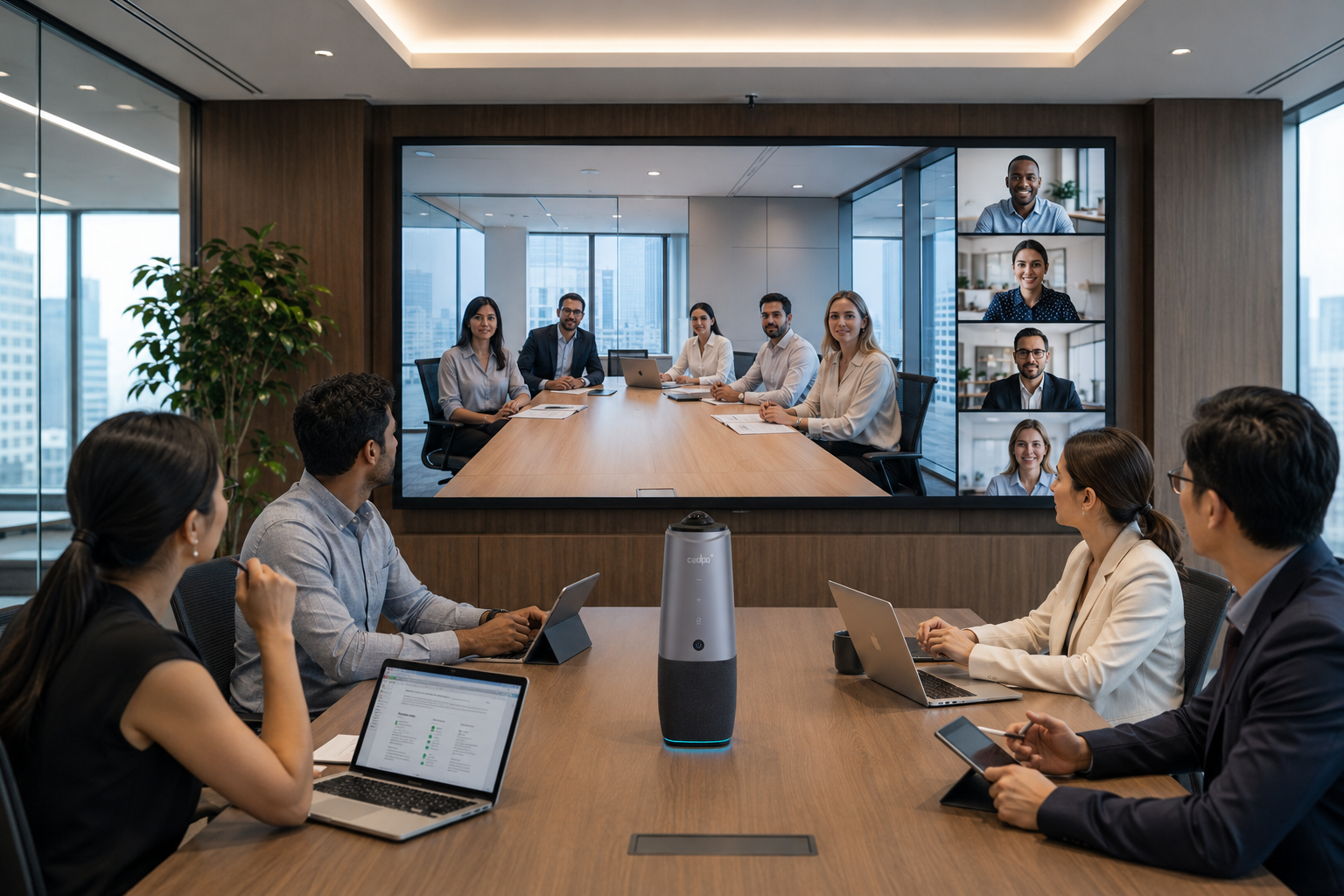
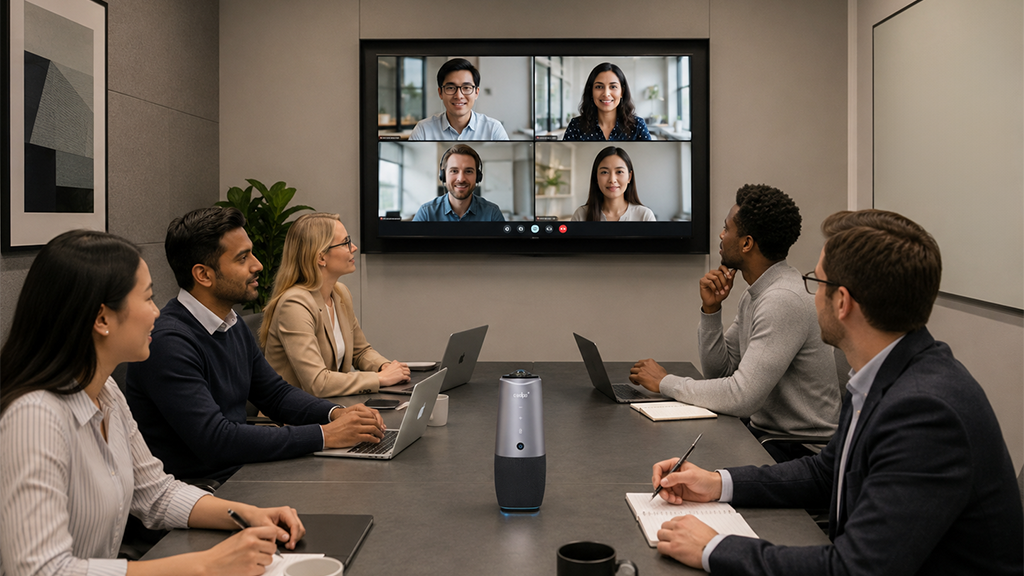
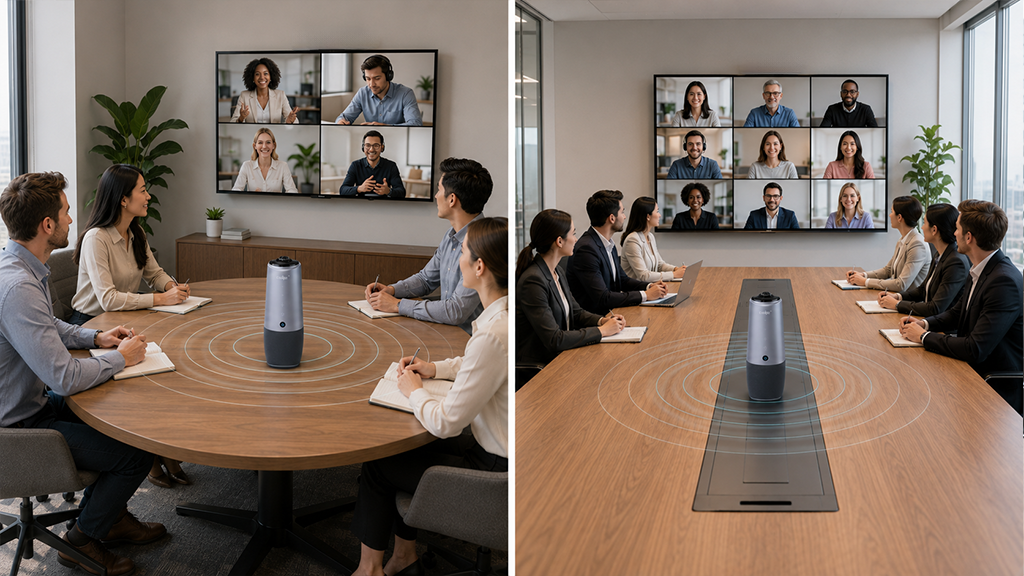
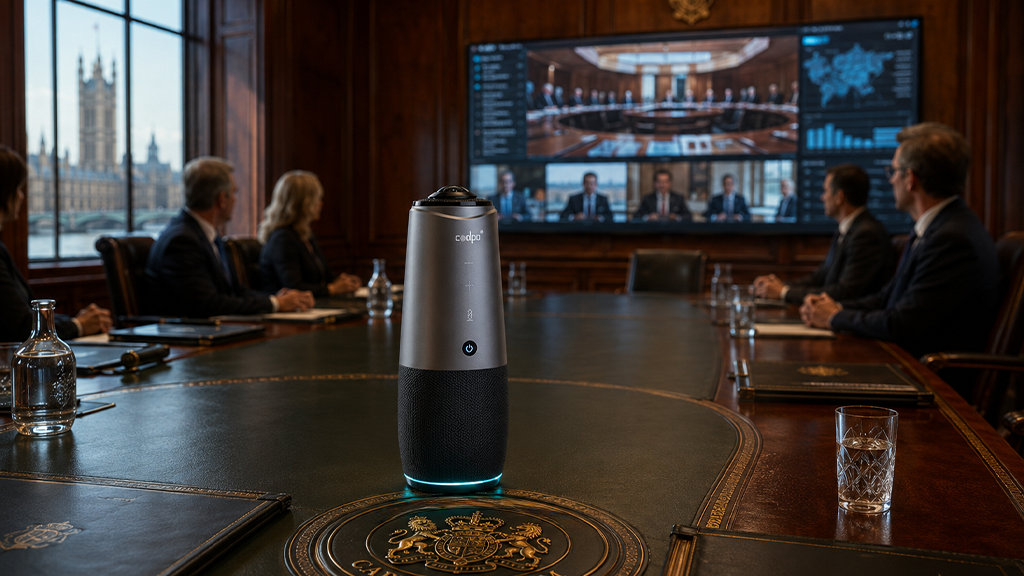
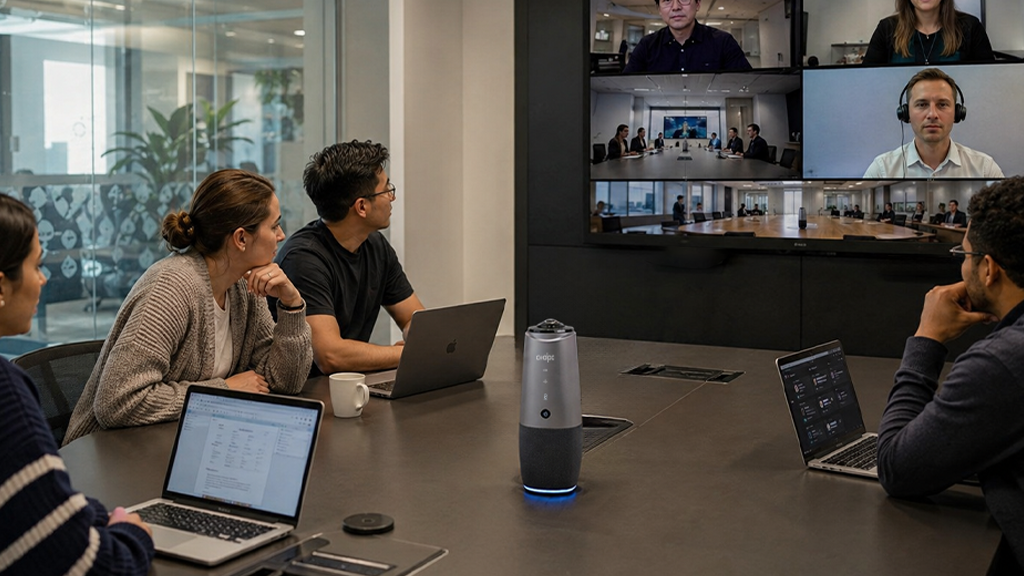
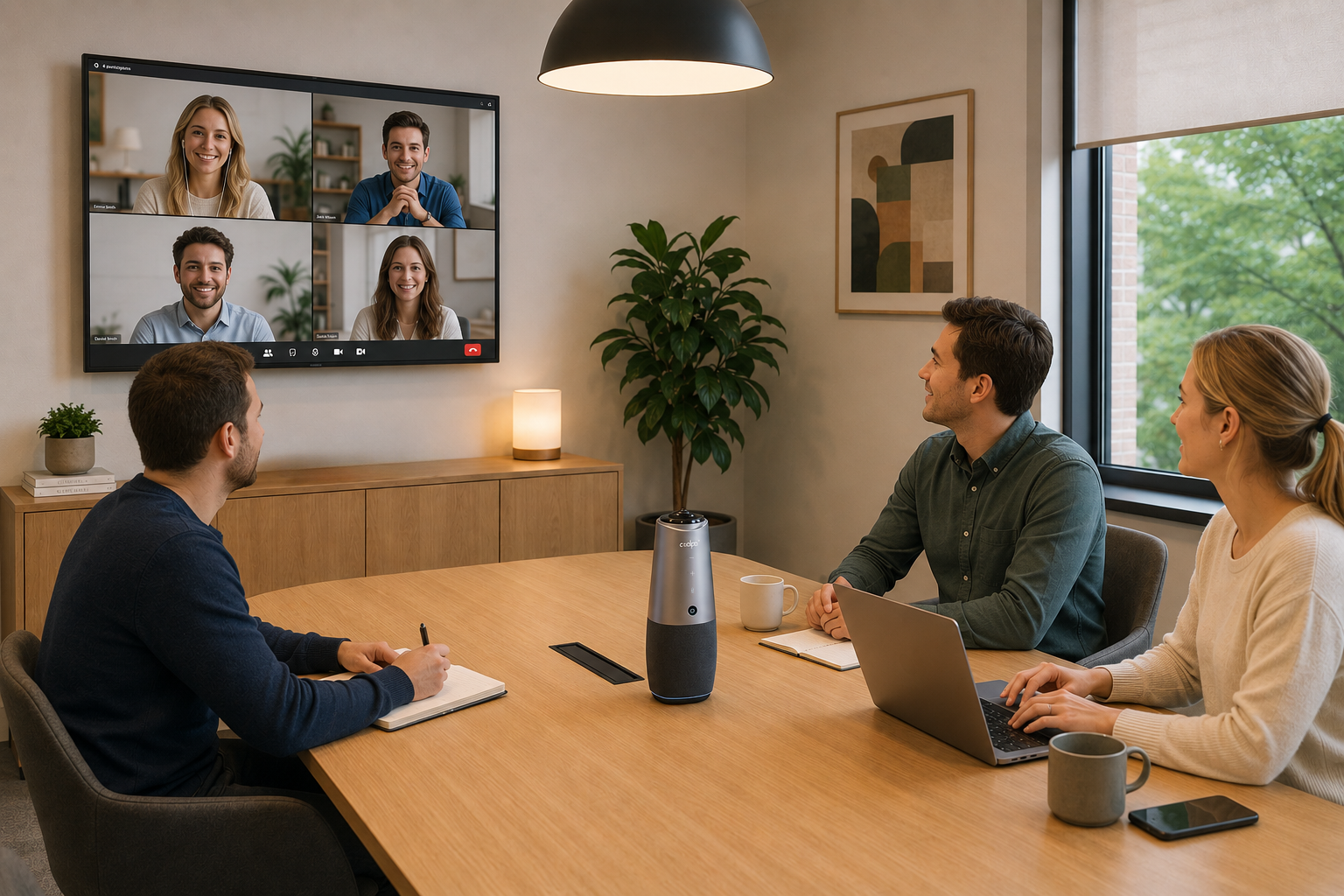
To further support seamless communication during hybrid work, companies must invest in video conferencing tools like Coolpo Pana that offers crystal-clear audio and video during hybrid synchronous communication. This will make communication easier and make remote workers feel like they are physically in the office even they are miles away.
Coolpo Pana: an all-in-one 360° camera and speaker with smart microphones and AI speaker tracking, keeping every remote participant connected and in the loop, as if they were right there in the room.
These tools will allow companies to maintain a high-functioning hybrid work environment, bridging the gap between flexibility and accountability.
3. Strategic Implications for Employers
The year ahead will require companies to rethink policies and workplace design:
- Flexible hybrid models will become a competitive differentiator, influencing recruitment and retention.
- Leaders will need to balance productivity with employee autonomy, supporting collaboration while respecting remote work preferences.
- Investment in technology, communication tools, and office redesigns will be essential to sustain the benefits observed in 2025.
Organizations that embrace these predictions proactively will position themselves to lead in the hybrid work revolution, ensuring both employee satisfaction and business performance.
Preparing for the Future: How Organizations and Employees Can Adapt
As hybrid work continues to evolve, preparing for 2026 requires both strategic foresight and practical action. Companies and employees can benefit from understanding the trends and insights emerging from Hybrid Work 2025.
Organizations should focus on designing a hybrid work environment that balances flexibility with accountability. This includes leveraging technology to enhance collaboration, implementing personalized hybrid schedules, and rethinking office spaces to support both in-person and remote work. Companies that proactively adapt will gain a clear employment advantage, attracting and retaining top talent in a competitive market.
Employees, on the other hand, can benefit by understanding their own work preferences and communicating their needs effectively. Flexibility, productivity, and engagement will remain key drivers of success, making it important for employees to take advantage of hybrid opportunities while aligning with organizational goals.
By learning from 2025’s successes and challenges and preparing for hybrid work 2026 predictions, both employers and employees can navigate the ongoing tug of war between flexibility and productivity, ensuring a smoother transition into the next era of work.
Conclusion
2025 has solidified hybrid work as a central part of the modern workplace, with knowledge-based industries leading adoption and employees benefiting from improved productivity and work-life balance. The ongoing tug of war between flexibility and oversight highlights the importance of thoughtful strategies, technology, and clear communication in creating a successful hybrid work environment.
Looking to 2026, hybrid work predictions point to more personalized schedules, advanced collaboration tools, and continued focus on employee satisfaction and engagement. Organizations that embrace these trends will gain a clear employment advantage, while employees who adapt to evolving hybrid models can thrive in more flexible, productive, and future-ready workplaces.
Recent blogs

Reliable
Innovation
Touch


