
Why Companies Are Implementing Return-to-Office Mandates in 2026
Companies are implementing return-to-office mandates in 2026 to improve collaboration, rebuild company culture, address productivity concerns, increase management visibility, maximize office space investments, support employee training, improve workforce management, and align with changing industry trends. While many organizations are increasing in-office requirements, hybrid work still remains common across many industries.
Because of this, businesses continue investing in hybrid meeting technology, conferencing systems, and collaboration tools that support communication between remote and in-office employees. Below are the main reasons companies are implementing return-to-office mandates in 2026 and how workplaces continue adapting to hybrid work environments.
1. Improving Collaboration and Communication
One of the most common reasons companies are bringing employees back to the office is to improve collaboration and communication.
Many organizations believe in-person work helps teams:
- Communicate faster
- Brainstorm more effectively
- Solve problems more quickly
- Improve teamwork
Face-to-face interaction is often viewed as important for:
- Creative discussions
- Spontaneous conversations
- Project coordination
- Team engagement
This remains one of the most publicly discussed reasons behind return-to-office mandates.
2. Rebuilding Company Culture
Some companies believe long-term remote work reduced employee connection and workplace culture.
Return-to-office policies are often used to:
- Strengthen team relationships
- Improve employee engagement
- Reinforce company values
- Increase workplace interaction
Leaders may also believe office environments help employees feel more connected to company goals and organizational identity.
3. Addressing Productivity Concerns
Remote work productivity continues to be heavily debated across industries.
Some executives believe employees perform better in office environments because:
- Communication is faster
- Supervision is easier
- Meetings are more direct
- Workplace distractions may be reduced
Although productivity studies remain mixed, concerns about accountability and performance still influence workplace decisions.
4. Increasing Management Visibility
Return-to-office mandates also allow managers to maintain more direct oversight of employees and operations.
In-office work helps management teams:
- Monitor workflows more closely
- Provide immediate feedback
- Conduct faster discussions
- Improve operational visibility
Some organizations still prefer physical presence as part of workplace management and performance evaluation.
5. Maximizing Office Space Investments
Many businesses continue paying for:
- Office leases
- Corporate buildings
- Conference rooms
- Workplace infrastructure
Empty office spaces can become expensive long-term investments. Bringing employees back helps organizations:
- Maximize office usage
- Justify operational costs
- Improve workplace utilization
Financial investment remains an important factor behind some return-to-office decisions. For teams rethinking their footprint, working with a tenant-first office search platform like Tandem Space can help match real estate spend to how the team actually works
6. Supporting Employee Training and Onboarding
Companies often believe in-person environments provide stronger support for:
- New hires
- Junior employees
- Interns
- Newly formed teams
Office settings may improve:
- Mentoring opportunities
- Shadowing experiences
- Professional networking
- Informal learning
This is especially important for employees early in their careers or joining new organizations.
7. Improving Workforce Management
Some organizations use return-to-office policies to reshape workforce structures and management strategies.
In some cases, return-to-office mandates may:
- Encourage voluntary resignations
- Reduce remote work dependency
- Filter employees based on workplace preferences
- Support organizational restructuring
This remains one of the more debated aspects of return-to-office policies in 2026.
8. Keeping Up With Industry Trends
Large corporations continue influencing workplace policies across industries.
Some businesses implement return-to-office mandates because competitors are:
- Increasing office attendance requirements
- Reducing remote work flexibility
- Rebuilding office operations
- Strengthening in-person collaboration
Organizations may feel pressure to align with changing industry standards and leadership expectations.
Why Hybrid Work Still Remains Common
Despite increasing return-to-office mandates, hybrid work remains widely used across many industries.
Many businesses still offer:
- Hybrid schedules
- Flexible office attendance
- Remote collaboration options
- Work-from-home arrangements
Hybrid work models help companies balance:
- Flexibility
- Collaboration
- Employee preferences
- Operational needs
As a result, businesses continue investing in technologies that support both remote and in-office communication.
The Role of Hybrid Meeting Technology
Modern workplaces now depend heavily on:
- Video conferencing
- Collaboration software
- Conference room systems
- AI-powered meeting technology
Businesses commonly use:
- Zoom
- Microsoft Teams
- Google Meet
- Conference cameras
- Speakerphones
- Collaboration displays
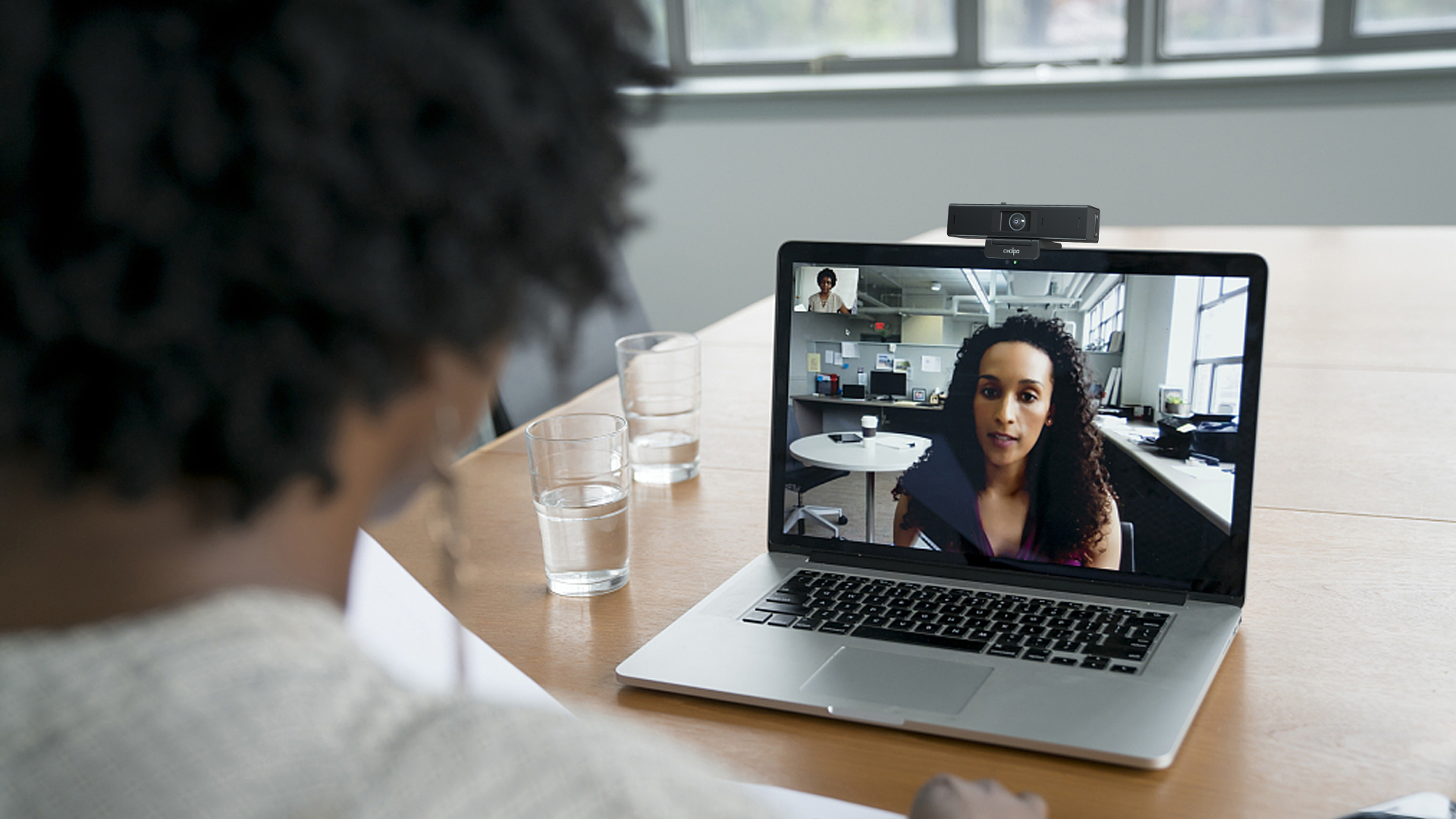
AI-powered conferencing solutions like Coolpo PANA help improve communication between remote and in-office participants during hybrid meetings. With its 360-degree video and audio coverage, it make hybrid collaboration more practical as organizations continue balancing office work and flexibility.
Bottom Line
Companies are implementing return-to-office mandates in 2026 for a combination of collaboration, cultural, operational, financial, and management reasons. At the same time, hybrid work continues shaping modern workplaces, leading businesses to invest in conferencing systems, collaboration platforms, and meeting technologies that support communication between remote and in-office employees.As organizations continue balancing office work with workplace flexibility, hybrid collaboration technology remains an important part of the future workplace.
Recent blogs
.jpg)

Coolpo Teams Up with BuildBetter AI to Supercharge Your Meeting Productivity


Reliable
Innovation
Touch


