
How Are Video Telephony and Video Communication Used in Modern Business?

Video Telephony and Video Communication are used in modern businesses to support virtual meetings, remote collaboration, customer communication, employee training, sales discussions, and hybrid work environments. These communication systems help businesses improve real-time collaboration, reduce communication delays, support distributed teams, and maintain stronger connections between employees, clients, and business partners across different locations.
Below, we break down the most common ways businesses use video communication in everyday operations.
Virtual Meetings and Team Collaboration
One of the most common uses of video communication in business is virtual meetings and internal collaboration.
Common uses include:
- Team meetings
- Project discussions
- Department updates
- Executive communication
- Brainstorming sessions
Video meetings allow teams to communicate in real time without requiring employees to be in the same physical location. This helps businesses improve collaboration speed while keeping teams aligned across departments and offices.
Remote Collaboration and Hybrid Work Environments
Modern workplaces increasingly rely on video communication systems to support remote and hybrid work models.
These technologies help:
- Remote employees stay connected
- Hybrid teams collaborate more effectively
- Distributed teams communicate faster
- Businesses reduce location-based communication gaps
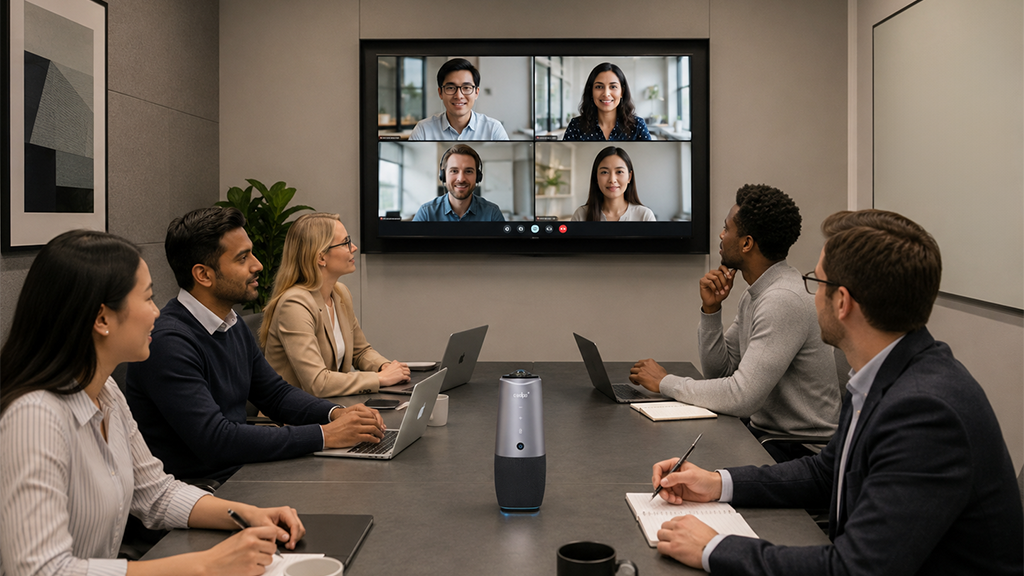
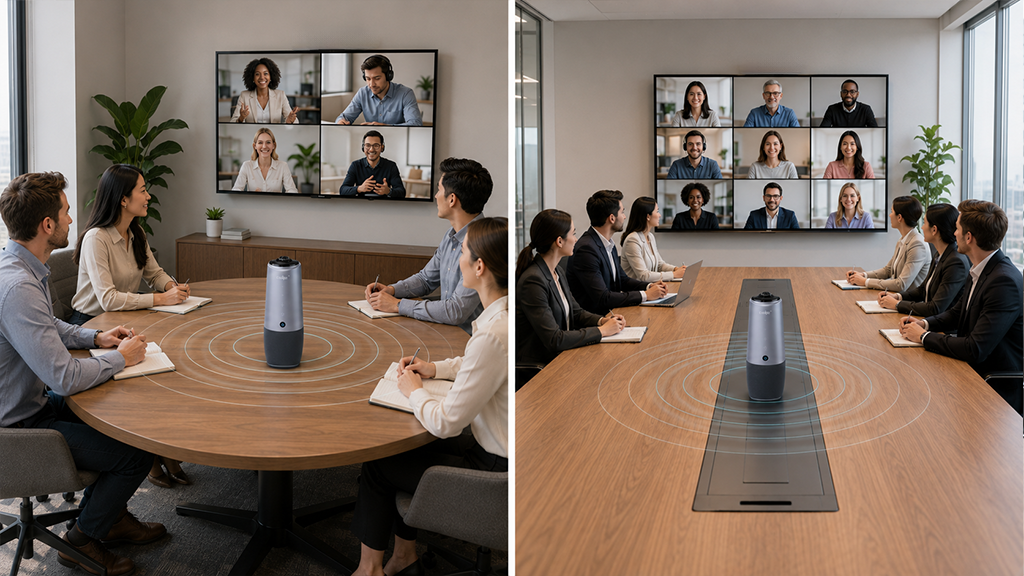
For hybrid collaboration, solutions like the Coolpo AI Huddle PANA help improve communication with integrated 360° video, microphones, speakers, and AI-powered speaker tracking. These systems help create more balanced meetings where both remote and in-room participants can communicate clearly and remain equally engaged.
Customer Communication and Client Meetings
Businesses also use video communication for external collaboration with customers, clients, and partners.
Common business uses include:
- Client presentations
- Customer support meetings
- Business consultations
- Vendor discussions
- Account management calls
Video conferencing helps organizations create more personal and professional interactions without requiring in-person meetings. It also improves communication speed between businesses and clients across different locations.
Sales Discussions and Business Development
Sales teams increasingly depend on video communication platforms for remote selling and business development.
Common use cases include:
- Product demonstrations
- Sales presentations
- Discovery meetings
- Proposal discussions
- Remote negotiations
Compared to email or audio-only communication, video calls create more interactive and engaging conversations. This helps sales teams build stronger relationships with potential customers and business partners.
Training, Onboarding, and Knowledge Sharing
Modern businesses also use video communication systems for employee education and internal knowledge sharing.
Common applications include:
- Employee onboarding
- Internal training sessions
- Online workshops
- Webinars and coaching
- Cross-team collaboration and knowledge sharing
Businesses can train employees across multiple locations without requiring travel or physical classrooms. Recorded sessions also improve accessibility by allowing employees to revisit important information when needed.
Why Businesses Depend on Video Communication
One major reason organizations rely on video communication is the ability to improve collaboration speed and communication quality across teams and locations.
These systems help businesses:
- Reduce communication delays
- Improve real-time decision-making
- Coordinate projects faster
- Maintain stronger business relationships
- Support collaboration across cities and countries
Instead of relying only on emails or delayed responses, teams can communicate instantly through virtual meetings and collaborative discussions.
Technologies Behind Modern Video Communication
Modern Video Telephony and Video Communication rely on several technologies working together to improve collaboration experiences.
Common technologies include:
- High-definition video conferencing
- Cloud-based communication platforms
- AI-powered meeting tools
- Noise cancellation and voice enhancement
- Smart conferencing systems
These technologies continue improving communication clarity, accessibility, and collaboration quality for modern businesses.
Conclusion
Modern businesses increasingly rely on video communication to support collaboration, customer interaction, training, sales discussions, and hybrid work environments. As digital communication continues evolving, conferencing technology and hybrid collaboration systems will remain essential for improving flexibility, communication speed, and business connectivity across different locations.
Recent blogs


What Are Hybrid Classroom Technology and Teaching Styles in Modern Education?



Reliable
Innovation
Touch


