


How USB Headsets Are Shaping Modern Communication Etiquette
Mute. Unmute. Talk over someone. Apologize. Repeat. If that sounds familiar, you’re not alone. Professionals across industries are facing “communication fatigue” — not from too many meetings, but from the unspoken confusion about how to behave in them.
Five years ago, few of us thought about eye contact through a webcam or the etiquette of muting at the right time. Today, these micro-decisions define our reputation, relationships, and even leadership style. As hybrid work cements itself as the global norm, the question isn’t “How do we meet?” — it’s “How do we behave when we do?”
The answers reveal how culture, technology, and human psychology are reshaping communication in 2025.
The New Normal: Digital Spaces, Real Human Behavior

The workplace has moved from cubicles to cameras and while our settings changed, our need for human connection hasn’t. Online and hybrid workspaces have become the new global offices, yet they lack the unspoken cues that once guided conversation: the lean-in that meant “I’m listening,” the quick glance that signaled agreement, the subtle shift of posture that said, “It’s your turn.”
Now, communication relies on new currencies — tone, timing, and attentiveness. In this silent evolution, a new culture of digital manners has emerged, shaping how respect, professionalism, and empathy are expressed online.
Here are the modern rules of digital communication etiquette — and the psychology behind them:
1. Speak with Clarity and Pause Intentionally
In a physical room, listeners can read your body language to fill in the gaps in your meaning. Online, those visual cues vanish leaving your voice as the single thread connecting ideas and emotion.
- Why it matters: In virtual spaces, over-talking or rushing can make you seem impatient or anxious. Intentional pauses convey confidence and create breathing room for others to respond.
- Cultural insight: Some cultures value concise, rapid exchanges; others appreciate reflective pauses. Knowing when to slow down is a mark of global communication intelligence.
Try this: End key points with a short pause. It not only signals thoughtfulness but gives others time to unmute and engage.
2. Avoid Multitasking, Presence Is the New Professionalism
Multitasking used to be celebrated as a skill; now it’s seen as the enemy of engagement. Checking messages or typing during a call might feel efficient, but it communicates indifference.
- Behavioral insight: Eye movement and delayed responses betray distraction, even through screens — and colleagues can sense when your focus drifts.
- Why it matters: In a world of constant notifications, undivided attention has become a rare form of respect. Being fully present is now the digital equivalent of eye contact.
- Practical tip: Close unrelated tabs and silence alerts before joining a meeting. Your focus signals commitment more clearly than words.
3. Give Visual Feedback. A Nod, a Smile, a Glance
Without the natural rhythm of in-person cues, meetings risk becoming emotionally flat. Visual reactions — nods, smiles, quick glances — act as social glue, affirming that others are heard.
- Social psychology: Humans crave micro-validations. Even tiny visual affirmations reduce uncertainty and boost speaker confidence.
- Cultural layer: While not all cultures expect exaggerated gestures, universal micro-signals like nodding or leaning forward are cross-cultural indicators of engagement.
- Pro tip: If cameras are on, use subtle expressions to humanize the digital experience. If cameras are off, short verbal affirmations (“That’s a great point,” “I agree”) fill the gap.
4. Treat Digital Silence as Reflection, Not Neglect
Silence during virtual meetings often feels uncomfortable, but not all silence is absence. Sometimes it’s processing, respect, or cultural hesitation.
- Cross-cultural truth: In Western contexts, silence may feel awkward; in Asian cultures, it often signals reflection or deference. Recognizing this prevents misinterpretation.
- Emotional intelligence: Responding too quickly to “fill the gap” can shut down thoughtful contributors. Learning to read silence builds trust and inclusion.
- Practical move: When the room goes quiet, say, “Take your time — I’d love to hear more thoughts,” instead of rushing to speak next.
5. Mind the Invisible Stage, Every Gesture Carries Weight
What used to be a casual video call is now a social microcosm — a digital stage where tone, timing, and even your background set the scene for how others perceive you.
- The subtle cues: Fidgeting, muted cameras, poor lighting — all send unspoken messages about engagement and respect.
- Cultural adaptation: In 2025’s global teams, professionalism isn’t about perfection but about consistency, showing up on time, speaking with care, and managing visual distractions.
- Behavioral shift: The digital self has become a social mirror. How you show up online reflects not just your personality, but your awareness of shared space.
The bottom line, in digital communication, small behaviors create big impressions. The shift from physical to virtual hasn’t erased etiquette, it’s redefined it. In the new normal, respect isn’t shown through handshakes or posture but through presence, patience, and attentiveness.
From Office Hierarchies to Equal Squares on Screen
In the hybrid era, status isn’t defined by corner offices or who sits closest to the boss — it’s defined by how people show up in a virtual grid. Every face on a video call now shares equal space and visibility, flattening traditional hierarchies and reshaping the social contract of workplace communication.
This visual equality has rewritten how authority and respect are expressed:
- Inclusivity over authority: The virtual meeting room has a democratized voice. The CEO’s box on the screen is the same size as the intern’s, meaning everyone is equally visible, but not equally heard. True professionalism now means creating space for diverse voices, not dominating conversation.
- Tone sensitivity as leadership: Without posture, eye contact, or spatial cues, words carry extra weight. A flat “okay” or an abrupt “next” can feel colder than intended. Leaders are learning to layer tone with empathy. For example, “Good thought, let’s explore that further,” instead of “We’ll revisit later.”
- Turn-taking as digital respect: The mute/unmute dance has made timing an art form. Interruptions are more noticeable online and so is patience. Allowing others to finish before speaking isn’t just courtesy; it’s now a marker of digital maturity.
In today’s hybrid world, leadership isn’t measured by how loud you speak but by how well you listen and include. The screen has leveled the playing field — now, empathy and attentiveness define real authority.
Global Meetings, Local Manners: Etiquette Across Cultures
Hybrid communication doesn’t just connect teams, it collides cultures. A 9 a.m. meeting in San Francisco may include teammates in Tokyo, London, and Manila, each bringing unique communication norms shaped by local values.
In this global mesh, etiquette is no longer fixed, it’s fluid. Understanding cultural rhythms can mean the difference between collaboration and confusion.
- Direct vs. Indirect Communication: In Western workplaces, speaking up quickly signals confidence; in many Asian settings, restraint and deference reflect respect. A pause in one culture may feel like disengagement in another.→ Example: In the U.S., silence often triggers follow-ups like “Are we aligned?” whereas in Japan, the same silence may signify thoughtful agreement.
- Emotional expressiveness: European or Latin American professionals may use hand gestures or animated tones to show enthusiasm, while Nordic or East Asian cultures often favor calm and controlled expression. Understanding these contrasts prevents misread cues.
- Pace and interruptions: In the U.S. or Italy, a mild interruption can show interest. In cultures like South Korea or Singapore, it can signal impatience.Tip: Adopt “verbal nods” — phrases like “please go on” or “take your time” — to make space for everyone.
Cultural awareness has become the new fluency in global work. The best communicators today are those who adapt — not to impress, but to connect across borders with genuine understanding.
The Rise of Digital Empathy in 2025
If 2020–2023 was about learning how to communicate online, 2025 is about learning how to feel online.
- Digital empathy — the ability to interpret emotion through technology — has become one of the most valuable professional soft skills. It’s what separates transactional meetings from meaningful collaboration.
- Active acknowledgment: Simple responses like “That’s a great point,” “I understand,” or even a smile or thumbs-up on camera validate presence and effort. They’re small signals that carry disproportionate emotional weight.
- Tone regulation: Voices travel differently through microphones. Overly fast or sharp delivery can sound abrupt; slowing your pace and adding warmth communicates clarity and calm.
- Visual empathy: Eye contact through the lens, slight facial expressions, and nodding — even when muted — help reintroduce humanity into digital exchanges.
- Empathy across cultures: Empathy also means being aware of time zones, energy levels, and digital fatigue. Scheduling compassion — like shorter, purposeful meetings — is the modern act of respect.
In today’s digital workspace, empathy is the new efficiency. The professionals who listen deeply and respond thoughtfully are the ones who build trust that outlasts technology.
Etiquette as Culture: From Performance to Presence
In the early days of remote work, online meetings felt like stages. Professionals curated perfect backgrounds, rehearsed voices, and performed confidence. But by 2025, authenticity has overtaken performance.
The new etiquette isn’t about appearing polished — it’s about showing up present.
- Authenticity over image: Audiences no longer expect perfection. A candid laugh, a child in the background, or a moment of vulnerability now reads as human, not unprofessional.Cultural shift: “Polished” used to mean scripted. Now, it means emotionally aware.
- Psychological safety as etiquette: Teams thrive where members feel free to ask questions or disagree without judgment. Courtesy now means protecting emotional space, not just sticking to agendas.
- Presence over performance: Turning your camera on, listening actively, and minimizing distractions signal respect. The performance mindset — focusing on how you look — has given way to a presence mindset — focusing on how you connect.
As organizations evolve, etiquette has become more than a personal habit — it’s a reflection of company culture. The way people speak, listen, and respond defines not just professionalism, but belonging.
Tools That Support the Human Side of Communication
.png)
Even the most empathetic communicator can be undermined by poor tools. Lag, echo, and unclear audio don’t just cause frustration — they distort tone, interrupt flow, and break trust.
That’s why the best technology doesn’t lead conversations — it supports them.
- Reliable audio and microphones: High-quality tools like USB headsets with noise-canceling microphones ensure that empathy and nuance aren’t lost in static. Clear audio allows focus to stay on meaning, not mechanics.
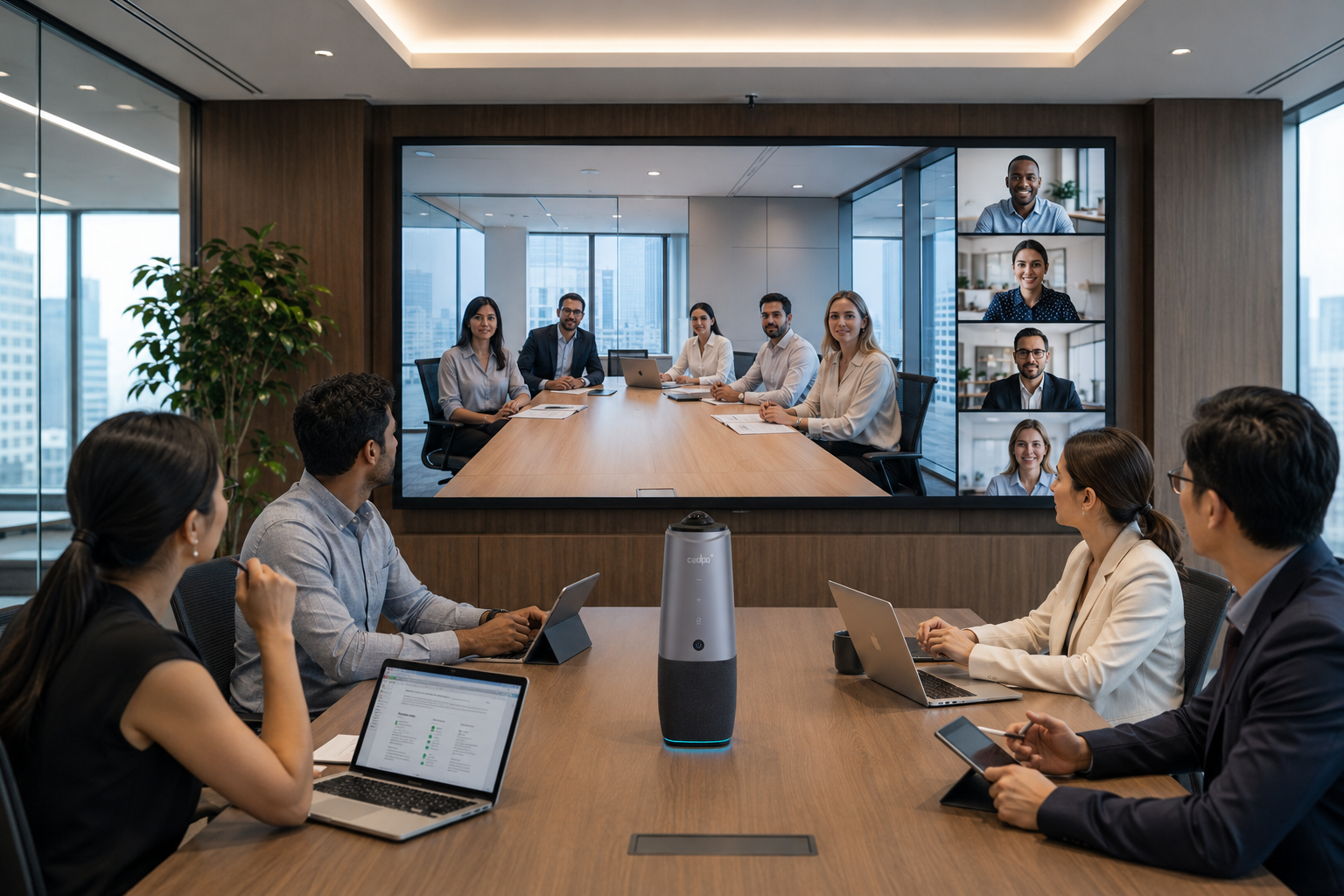
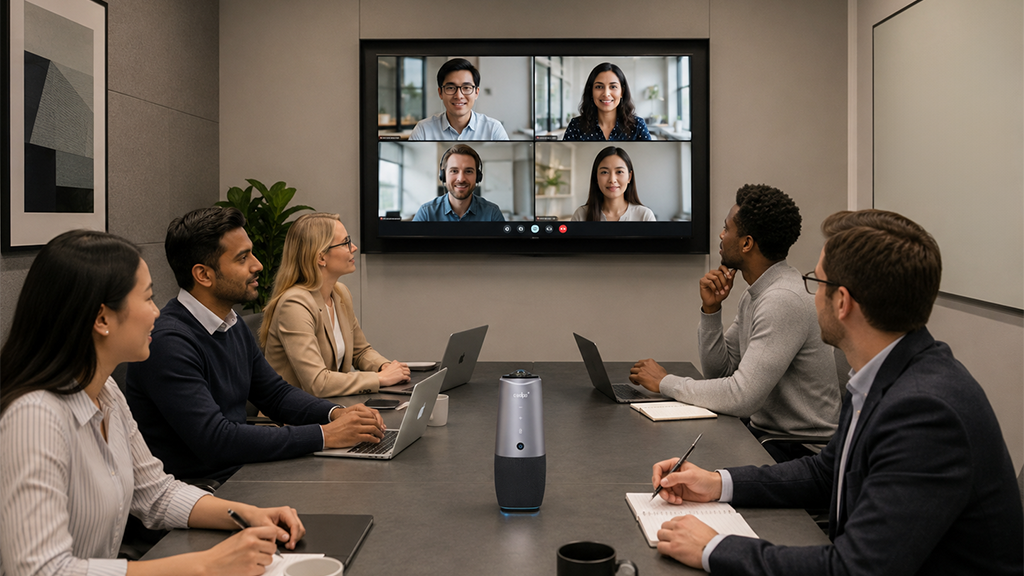
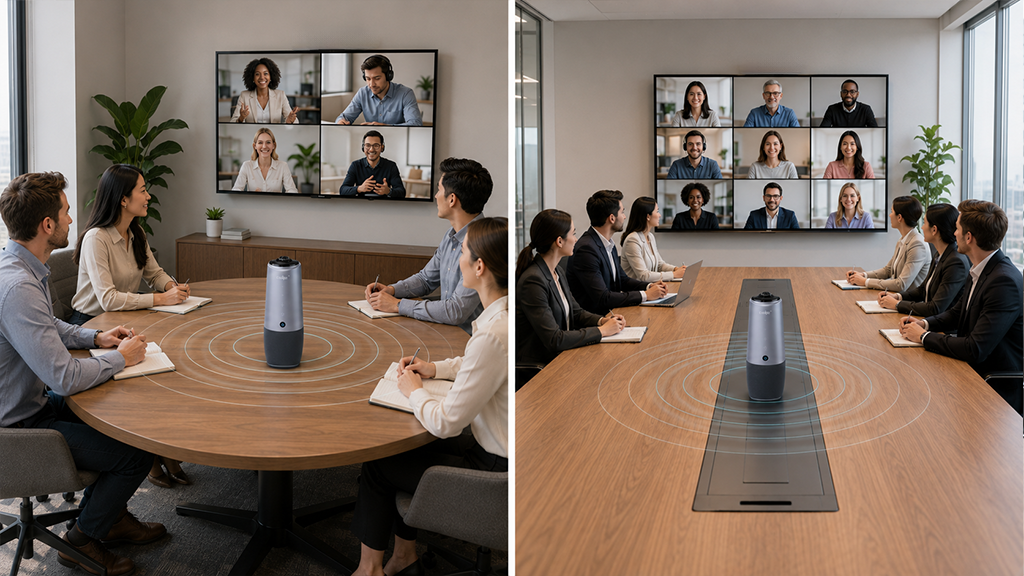
- Balanced meeting tech: AI-powered cameras, 360° conference systems, and smart microphone speakers (like Coolpo’s AI-integrated devices) help create equal visibility between remote and in-room participants.
- Frictionless environments: When technology works seamlessly, etiquette thrives. People listen longer, interrupt less, and collaborate better.
In the end, technology isn’t replacing human interaction — it’s refining it. When our tools remove distractions, our empathy and attention can finally take center stage.
Conclusion: The Culture of Connection in a Digital World
The evolution of communication etiquette isn’t just about adapting to new tools — it’s about redefining what respect and connection mean in a borderless workplace. Every pause, nod, and tone choice has become part of a new digital language that signals empathy and professionalism. The way we listen and respond now reflects not just personal courtesy, but cultural awareness — the foundation of trust in the hybrid era.
And while etiquette begins with behavior, it’s sustained by clarity. A reliable USB headset with a microphone, ensures that empathy and intent come through without distortion. Technology may not teach us manners, but it enables them — allowing our humanity to travel clearly across distance, through every voice, screen, and word.
Enhance your team’s communication culture with professional USB headsets with microphone designed for clarity and connection.
Get Yours Here!
Recent blogs

What Are Hybrid Classroom Technology and Teaching Styles in Modern Education?


Reliable
Innovation
Touch


