
How Do Companies Decide Between Remote, Hybrid, or Onsite Work?
To decide between remote, hybrid, or onsite work, companies evaluate multiple factors including the nature of the role, collaboration needs, company culture, productivity goals, employee preferences, operational costs, and available technology. Instead of choosing one model universally, most organizations align their work setup with how their teams communicate, perform, and stay productive across different environments.
Nature of the Role (Can the work be done remotely?)
The first decision point is whether the job requires physical presence.
- Roles involving equipment, facilities, or direct customer interaction typically require onsite work
- Knowledge-based roles like marketing, design, and development are more adaptable to remote setups
- Some roles combine independent and collaborative work, making them suitable for hybrid models
Companies assess not just feasibility, but whether performance can be maintained without being physically present.
Collaboration Requirements (How often do teams need to interact?)
The level of interaction required influences the work setup.
- Frequent brainstorming, alignment, or decision-making may benefit from hybrid or onsite environments
- Independent or task-based roles can operate effectively in remote setups
- Cross-functional teams may need periodic in-person sessions for alignment
The more real-time collaboration is needed, the more structured the setup becomes.
Company Culture and Leadership Style
Work models often reflect how a company operates internally.
- Some organizations value in-person collaboration and structured workflows
- Others prioritize flexibility, autonomy, and asynchronous communication
- Leadership preferences often shape policies around presence and productivity
Culture plays a key role in determining how flexible a company is willing to be.
Productivity and Performance Goals
Companies evaluate which setup leads to the best outcomes.
- Remote work can improve focus and reduce commute-related fatigue
- Onsite work allows for immediate collaboration and faster feedback
- Hybrid models aim to balance deep work with team interaction
The goal is not flexibility alone, but sustained or improved performance.
Employee Preferences and Retention
Work setup decisions are closely tied to talent strategy.
- Flexible work options often improve job satisfaction and engagement
- Remote and hybrid setups help attract a wider talent pool
- Some employees still prefer structured, in-office environments
Companies often adapt their approach to remain competitive in hiring and retention.
Cost and Operational Considerations
Financial impact plays a significant role in long-term decisions.
- Remote work reduces costs related to office space and maintenance
- Onsite setups require full infrastructure and operational expenses
- Hybrid models allow companies to optimize space and reduce overhead
Cost efficiency often supports the shift toward more flexible work models.
Technology and Communication Setup
The ability to support remote or hybrid work depends heavily on tools and infrastructure.
- Platforms like Zoom and Microsoft Teams enable real-time communication
- Tools like Slack support ongoing collaboration
- Cloud access and secure systems ensure work continuity
In hybrid environments, having the right combination of software and hardware is essential to maintain clear communication across locations.
Hybrid Work Optimization (Bridging Remote and Onsite Teams)
Hybrid work introduces challenges that go beyond basic communication tools.
- Remote participants may struggle to stay engaged during in-room discussions
- Audio and video limitations can affect clarity and participation
- Uneven visibility can impact collaboration and decision-making
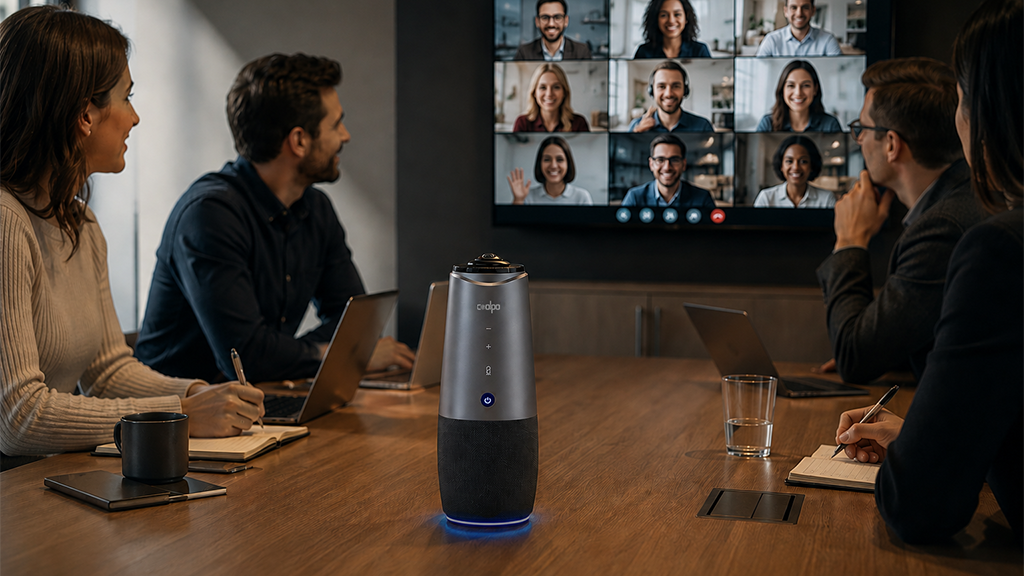
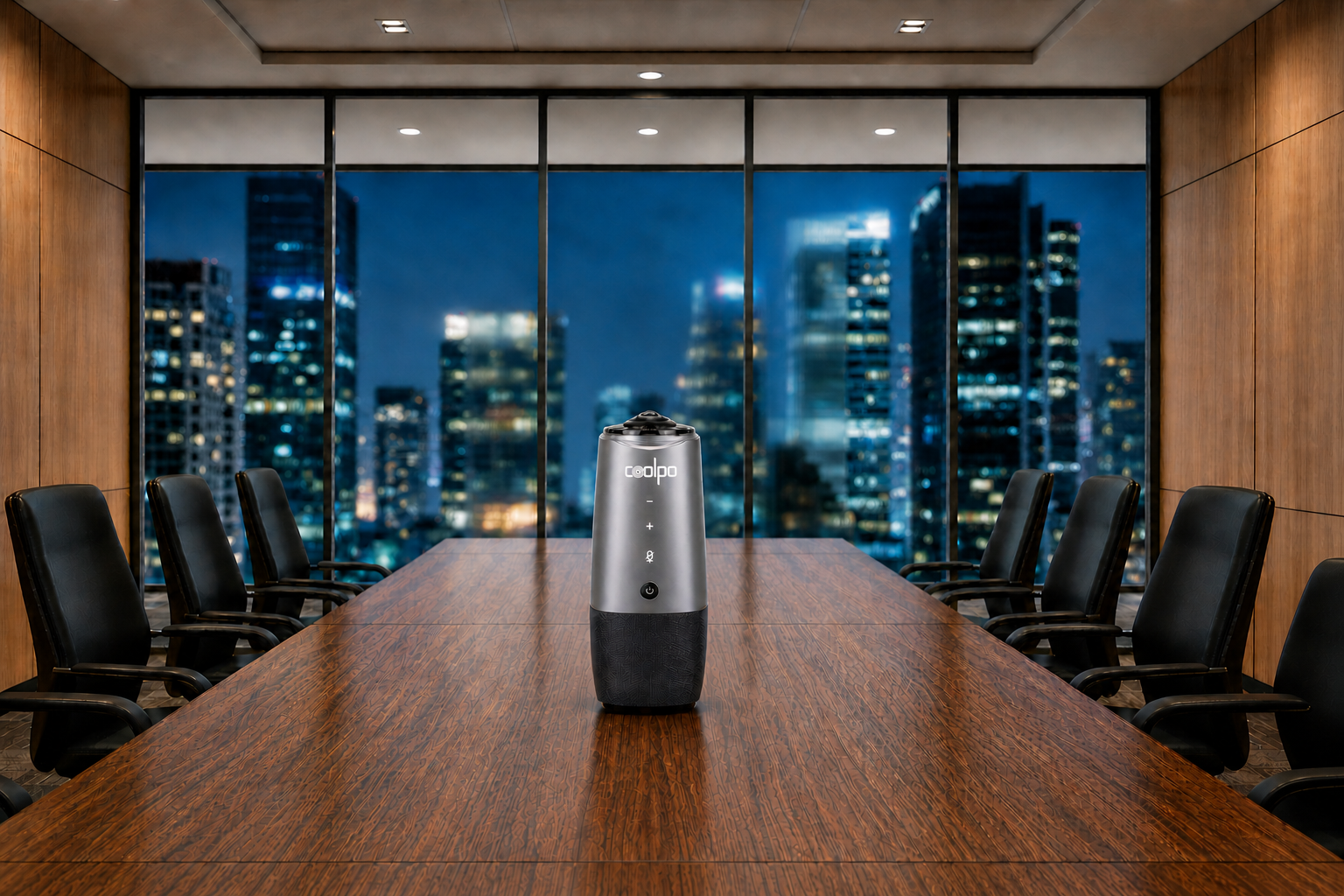
In these cases, the issue is no longer the work model itself but how communication is supported. Video conferencing solutions like Coolpo PANA help improve hybrid meeting experiences by enhancing room coverage and audio pickup, making it easier for both in-room and remote participants to engage equally.
Choosing the Right Work Model for Your Team
Rather than applying a single approach, companies often tailor work setups based on team needs and workflows.
- Fully remote setups work well for distributed, independent teams
- Hybrid models balance flexibility with collaboration
- Onsite work remains essential for roles requiring physical presence
The most effective strategy is aligning the work model and choosing the right remote work tools that works perfectly on how your teams operate into day-to-day basis.
Companies decide between remote, hybrid, or onsite work by balancing role requirements, collaboration needs, culture, productivity goals, employee expectations, costs, and technology. The best approach is not choosing one model for all, but creating a setup that supports clear communication, strong performance, and consistent collaboration across any work environment.
Recent blogs
.png)
.png)
What should I consider when choosing Smart 360-degree Video Conference Cameras?

.png)

What Tools and Platforms Are Best for Managing Hybrid Work Environments?
Reliable
Innovation
Touch


