
What Are the Best Practices for Organizing Effective Ad Hoc Meetings and Calls?
The best practices for organizing effective ad hoc meetings and calls include setting a clear purpose, sharing important context, inviting the right participants, keeping discussions focused, choosing the right communication format, and confirming clear action items. Even though ad hoc discussions are usually created for quick conversations or unexpected situations, adding simple structure helps teams solve problems faster without creating unnecessary interruptions.
In 2026, as hybrid and distributed teams become more common, businesses use ad hoc meetings and calls to support faster collaboration while balancing productivity, focused work time, and effective communication across different locations.
Ad Hoc Meeting Best Practices at a Glance
Start With a Clear Meeting Purpose
Because ad hoc discussions often happen quickly, starting without a clear goal can lead to confusion, longer conversations, and unclear outcomes.
Before starting a discussion, teams should understand:
- What problem needs to be solved
- Why the meeting is needed now
- What decision or outcome is expected
A clear purpose keeps conversations focused and helps prevent quick meetings from turning into unnecessary discussions.
Share Important Context Before the Discussion
Ad hoc meetings may happen with short notice, but participants still need enough information to contribute effectively.
Before the meeting, teams can share:
- A short explanation of the issue
- Relevant documents or updates
- Important background information
- Questions that need answers
Providing context allows participants to understand the situation faster and spend more time solving the problem instead of reviewing basic information.
Invite Only the Necessary Participants
Effective ad hoc discussions work best when the right people are involved.
Instead of inviting everyone, include participants who:
- Understand the situation
- Can provide important insights
- Have decision-making responsibility
- Are directly involved in the solution
A smaller, more focused group usually allows teams to communicate faster and make decisions more efficiently.
Keep Meetings Short and Action-Focused
Ad hoc meetings and calls are designed for quick alignment, not long discussions without direction.
Teams can improve efficiency by:
- Setting a reasonable time limit
- Staying focused on the main issue
- Avoiding unrelated conversations
- Moving complex topics to planned discussions when needed
The goal is to solve immediate problems while minimizing disruption to regular workflows.
Choose the Right Communication Format
Not every situation requires a video meeting or group call. Choosing the wrong format can create unnecessary interruptions.
Teams should match the communication method to the situation:
- Simple questions → messages or comments
- Quick updates → short calls
- Urgent alignment → ad hoc discussions
- Complex decisions → collaborative meetings
Choosing the right format helps teams communicate effectively without adding unnecessary meetings to their schedules.
Balance Quick Meetings With Focused Work Time
While ad hoc communication improves responsiveness, too many unexpected discussions can interrupt productivity and deep work.
Modern teams balance communication by:
- Avoiding unnecessary interruptions
- Respecting focus time
- Using async updates when immediate discussion is not required
- Saving larger topics for scheduled meetings
This helps teams stay flexible while protecting time for focused work and important tasks.
Use Collaboration Tools for Hybrid Ad Hoc Meetings
As workplaces become more flexible, many ad hoc meetings and csalls now include both remote and in-office participants.
Hybrid teams often rely on:
- Shared documents for real-time collaboration
- Messaging platforms for quick updates
- Video communication tools for discussions
- Meeting technology that supports distributed teamwork
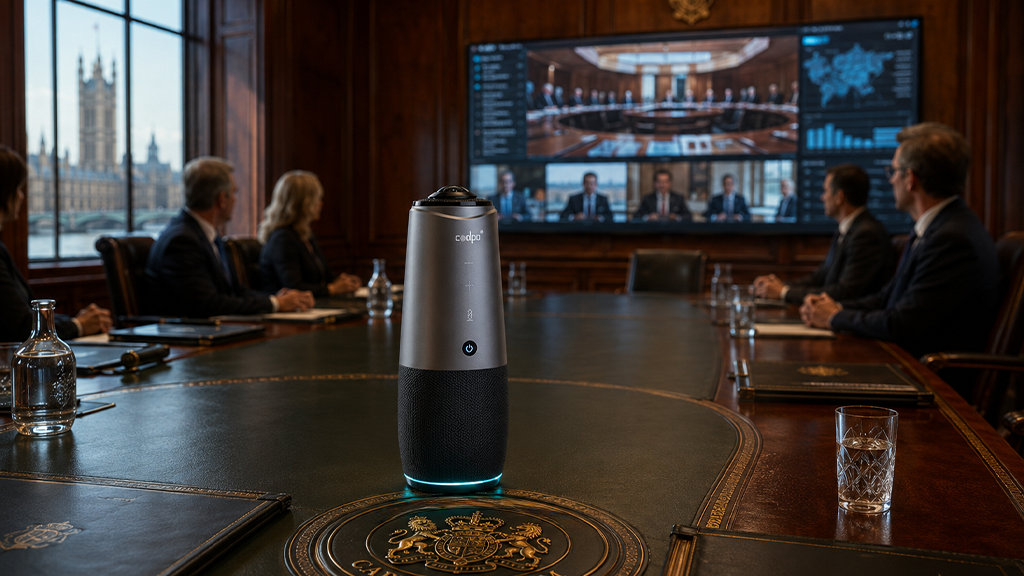
Conferencing systems such as the Coolpo AI Huddle PANA that support hybrid discussions through integrated 360° video, microphones, speakers, and AI-powered speaker tracking The right collaboration setup helps teams communicate clearly during both planned conversations and quick discussions across different locations.
Record Decisions and Action Items
One of the most important parts of an effective ad hoc meeting is making sure the discussion leads to action.
Before ending the meeting, confirm:
- What decision was made
- Who is responsible for each task
- What deadlines or next steps are required
- What information should be shared afterward
Clear documentation prevents repeated conversations and keeps teams aligned after the meeting ends.
Conclusion
Effective Ad Hoc Meetings and Calls depend on clear goals, relevant participants, focused discussions, and defined next steps. When organized properly, ad hoc communication helps teams respond quickly to urgent situations while maintaining productivity and alignment across modern hybrid workplaces.
Recent blogs


.png)



Reliable
Innovation
Touch


